Aditya Rasam
Computer Vision Scientist | Autonomous Robots | Perception & ML
Formerly a Senior Computer Vision Scientist and a founding member of the Autonomous Drone Team embedded with ObjectVideo Labs division at Alarm.com (McLean, VA, USA), I collaborated with the team to spearhead the research, development and deployment of the core Drone Perception framework to achieve real-time Autonomous Navigation. My work there centered on researching and deploying advanced perception frameworks at the intersection of Estimation theory, Computer Vision, and Machine Learning fusion. My passion lies in designing robust, intelligent robotic systems that fuse multi-modal vision and non-vision sensors to enable real-time decision-making on constrained edge hardware.
My decade-long career bridges both worlds of modern robotics, having spent the initial 3 years of my career prototyping and deploying high-precision physical industrial robots at Siemens Application Center (India/Germany), followed by 7-8 years dedicated to building spatial Perception/Intelligence for Autonomous Drones in GPS-denied environments. This practical expertise is backed by a Master’s degree from North Carolina State University (Raleigh, USA) featuring a capstone project for Aerial Blimp Navigation and an Autonomy & Robotics research internship at Siemens Corporate Technology (Princeton, NJ, USA).
Skills & Courses
- RGB-D Graph SLAM(G2O, GTSAM), Visual-Inertial Odometry (iEKF), ICP (Lidar array/ Time-Of_flight) Odometry/SLAM, Fiducial Markers, Intrinsics & Extrinsics Calibration
- Single View Meterology, Semantic Segmentation, Morphological transforms, Image filtering, 3D-Reconstruction, Edge detection, Histogram Equilization, Image Sharpening, Image Classification
- OpenCV, Open3D, numpy, scipy, scikit-learn, matplotlib, pandas
- Deep learning, Vision-Transformer, Convolutional Neural Networks, Fully Convolutional Network (VGG-16), Recurrent Neural Network, Long Short-term Memory
- Regression (Linear/Logical), Artifical Neural Network, K-Nearest Neighbor Classification, Principal Component Analysis
- Gaussian Model, Gaussian Mixture Model, t-distribution, Factor-space models
- ML-Deployment API: PyTorch, Keras, Theano, Tensorflow, ONNX
- Multi-axis Position, and Speed synchronization for high-dynamic robotic systems
- Kinematic profiling (S-curve), Path interpolation, electronic camming (E-CAM), and Dynamic load compensation
- Model-based PID synthesis via Pole Assignment, Adaptive Gain profiling
- Frequency domain diagnostics, FFT spectrum analysis, and mechanical resonance masking
- Fail-safe motion architectures, functional safety integration
- C++, Python, embedded C, Swift
- Linux, Shell scripting, ROS, MATLAB
- CMake, Docker, Git
- Computer Vision, Autonomous Navigation with Computer Vision, Deep Learning, Digital Image Processing
- Machine Learning, Probabilistic Graphical Models
- Embedded System Design, Real-Time Control of Automated Manufacturing, Control of Mobile Robots
Education
North Carolina State University
GPA: 3.87
Graduated May 2018
University of Mumbai
GPA: 4.0
University Ranker: Ranked 1st in the Electrical Engineering department at my college and 5th overall among all affiliated engineering colleges under the university.
National Examination Milestone: Ranked among Top 1.2% in the national GATE examination organized by the Indian Institute of Technology (IIT)—a competitive performance that directly facilitated entry into Siemens Research.
Work Experience
Alarm.com (ObjectVideo Labs)
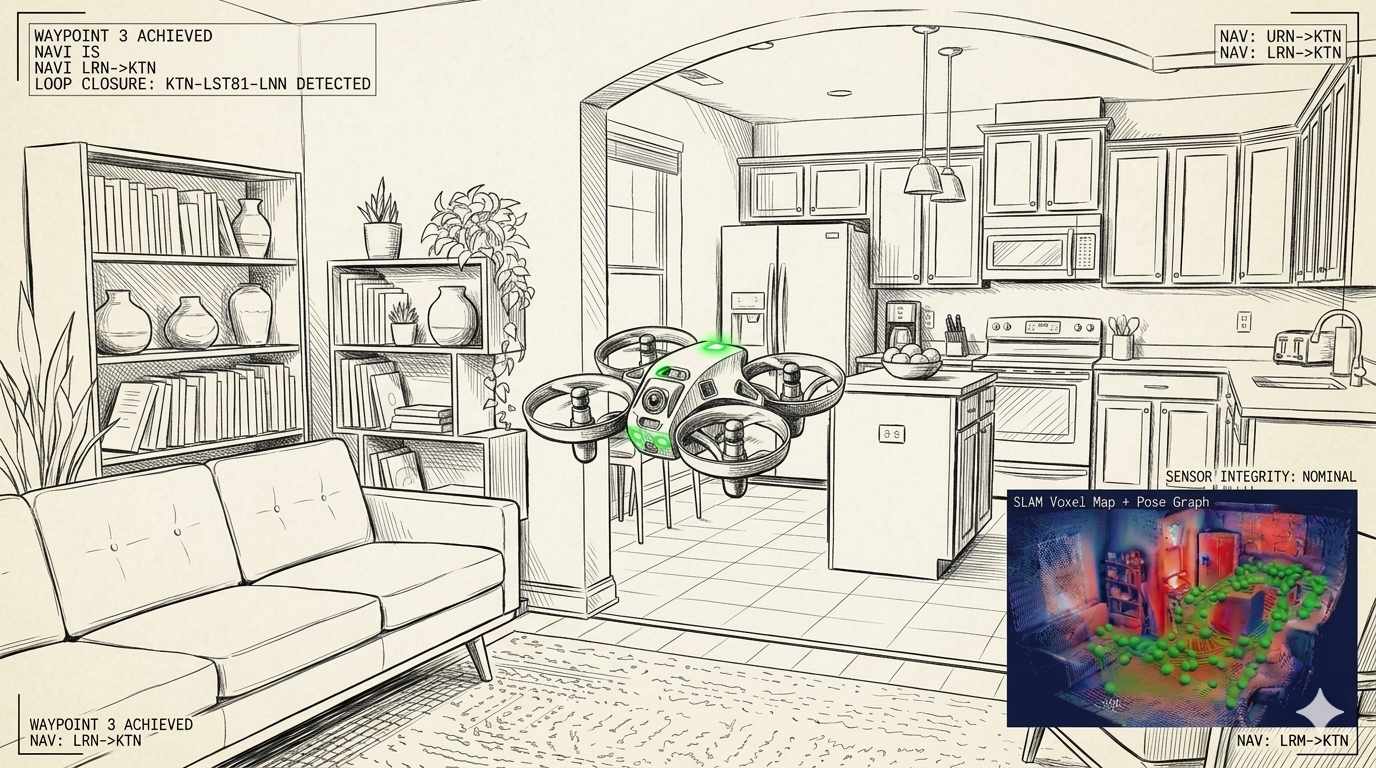
Senior Computer Vision Scientist & Founding Member
January 2022 - February 2026- Key Responsibility: Spearheaded SLAM and 3D perception roadmap, scaling CV/SLAM frameworks for edge-drone deployments from Research Prototype to EVT to pre-production-hardened DVT.
- Technical Leadership: Acted as a final point of escalation for critical mapping/localization/perception challenges associated with autonomous flights.
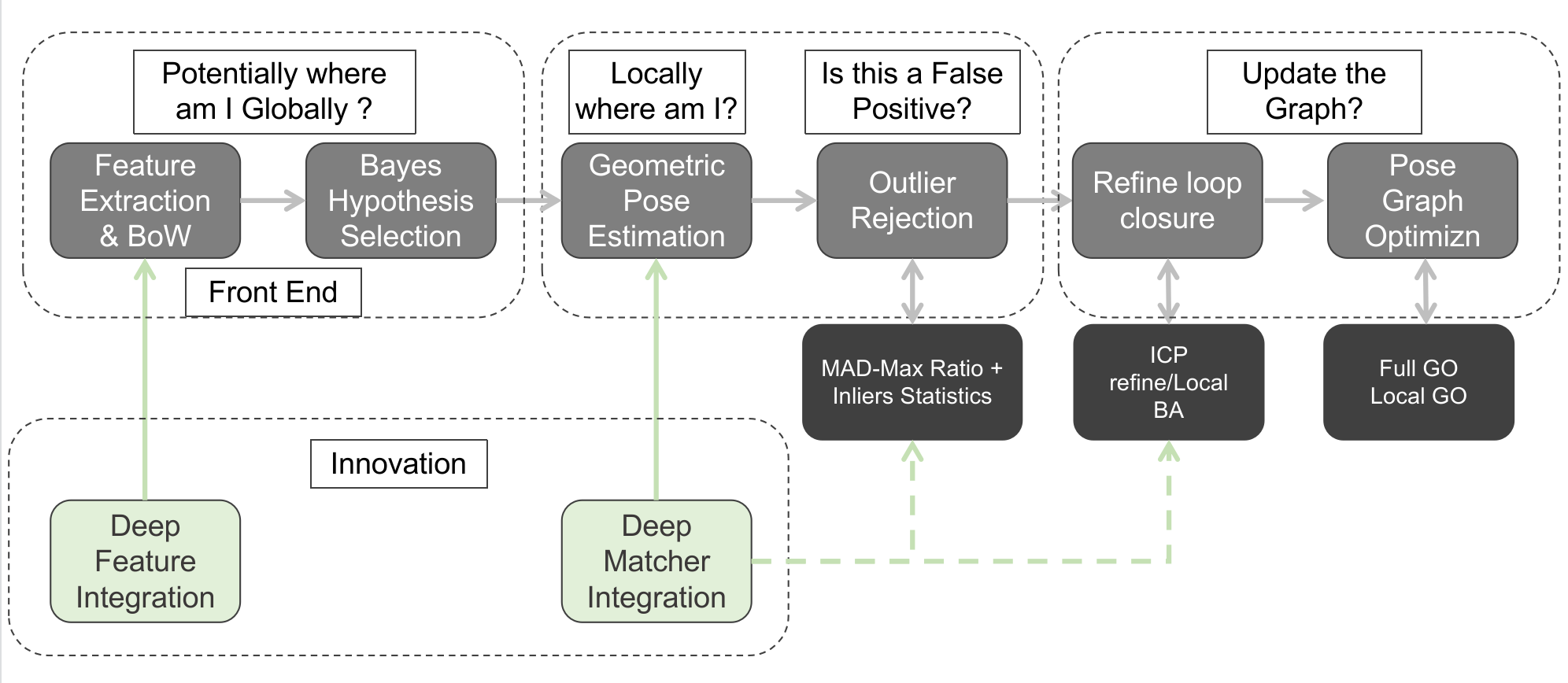
- SLAM Performance & Robustness: Enhanced RGB-D SLAM by benchmarking and integrating lightweight Deep features & Deep Matchers, achieving a 2x increase in robustness and loop closure frequency.
- SOTA Integration : Benchmarked multiple Deep modules, integrated and tuned the finalized one to reduce SLAM map memory constraint by 50% while maintaining performance.
- SOTA Deployment: Compressed and Quantized models to improve speed 1.5x on edge hardware.
- Cross-Framework Deployment: Resolved critical deployment bottlenecks by migrating deep learning models across languages and frameworks(C++, Python, libtorch, PyTorch, Tensorflow).
- Cross-Functional CI/CD Architecture: Partnered with DevOps to architect a Docker-based CI/CD pipeline using DockerHub, establishing the coding and unit-testing standards required to seamlessly transition SLAM research into validation-ready (EVT) software via automated deployment scripts.
- Strategic Alignment: Deliver technical deep-dives to senior management, securing alignment on the perception roadmap and resource allocation for future SLAM features.
- Standardized Mapping Protocols: Innovated mapping procedures by optimizing data-collection trajectories to guarantee consistent loop closures, resulting in low-drift spatial maps and highly repeatable environmental captures for autonomous navigation.
- Mobile-to-Robot Sensor Bridge: Developed a custom iOS-based data pipeline to stream ARKit-derived pose, RGB and depth data into a global SLAM framework; replaced traditional drone-mounted ToF (Time-of-Flight) sensors with a mobile-integrated suite, reducing payload weight and accelerating field prototyping and reducing hardware BOM (Bill of Materials).
- AR-Driven Spatial Intelligence: Engineered an iOS-based digital twin framework leveraging Apple RoomPlan and ARKit for high-fidelity 3D reconstruction; developed a SceneKit-based simulation engine to render textured first-person viewports and top-down semantic maps, enabling data-driven analysis of FoV coverage and blind spots via PnP-based localization for optimized camera installation planning.
Associate Computer Vision Scientist & Founding Member
November 2018 - December 2021- Key Responsibility: Conceptualized and executed pilot tests to resolve core SLAM challenges and validate early-stage innovations, bridging the gap between theoretical research and prototype-ready navigation software.
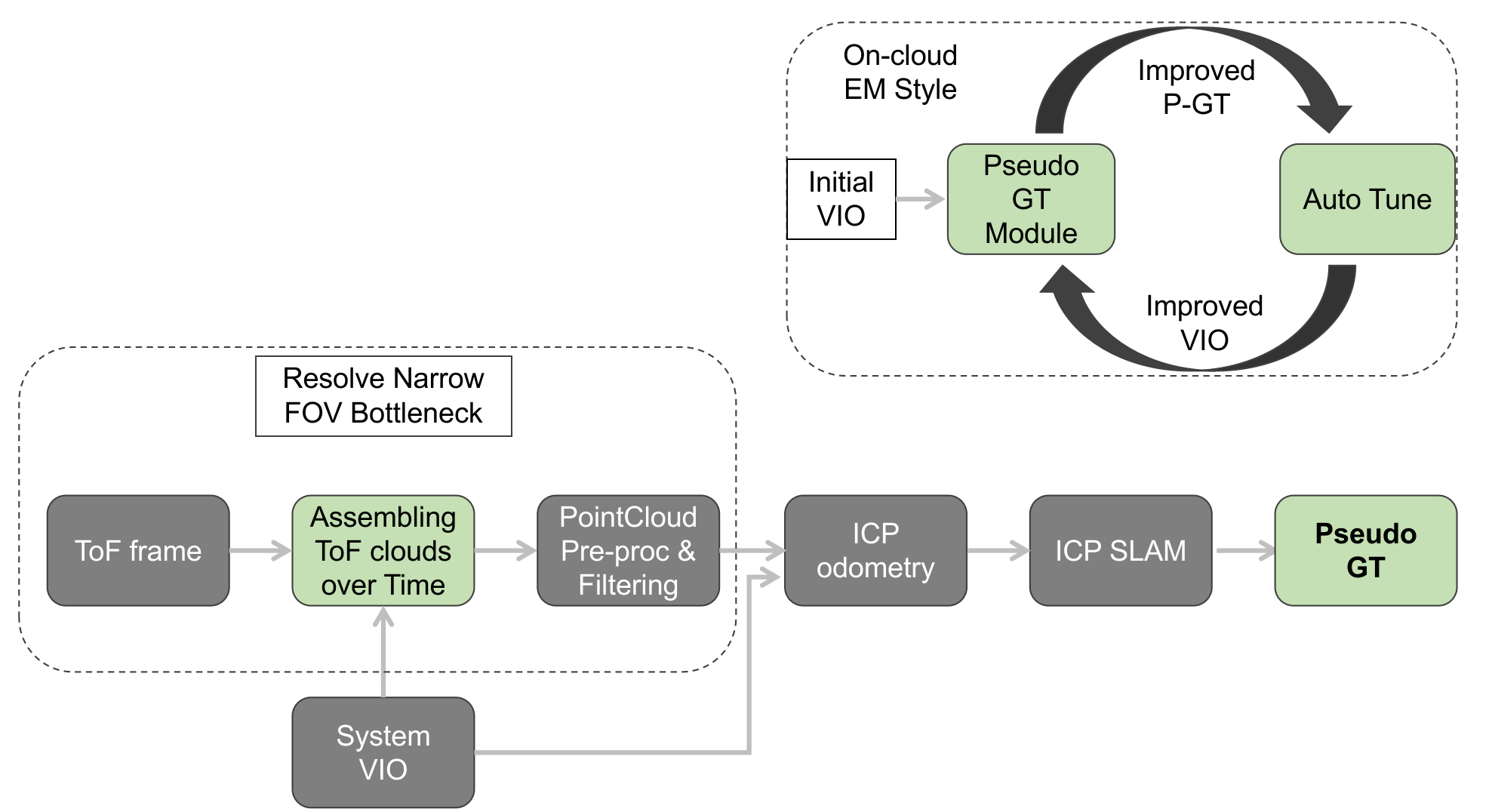
- Ground Truth Development: Independently pioneered a robust ICP odometry pipeline using Time-of-Flight (ToF) sensors to provide VIO benchmarking in field environments lacking motion-capture infrastructure.
- VIO Benchmarking & Validation: Evaluated and benchmarked diverse Visual-Inertial Odometry (VIO) packages across multiple RGB-IMU sensor suites; utilized ATE/RPE metrics and motion-capture ground truth (Optitrack) to rigorously validate system accuracy.
- Multi-Modal Sensor Engineering: Evaluated and selected optimal sensor suites (RGB, LiDAR, ToF); debugged complex calibration pipelines for sensor intrinsics/extrinsics and precision time synchronization, resolving critical bottlenecks in multi-modal data fusion.
- Data Integrity: Developed a data-quality recommender system that assesses structural complexity and point cloud quality, ensuring the reliability of recorded ICP data.
- Testing Automation: Built automated data collection frameworks and test suites to validate SLAM algorithm performance, accelerating the prototyping cycle.
- Resource Optimization: Performed CPU and memory profiling, implementing optimizations that ensured real-time performance without compromising the integrity of the localization stack.
Siemens Corporate Technology
Research Intern: Real-Time Autonomous Robotic Systems
June 2017 – August 2017I was part of a team that focused on the development of a Gantry Robot that could behave autonomously and perform decision-making tasks.
- Key Responsibility: Engineered a motion control system for an autonomous 6-axis industrial gantry robot, designing path-generation algorithms to compute optimized end-effector trajectories within dynamic constraints.
- Digital Twin Verification: Validated complex motion profiles using physics-based simulations inside Siemens NX (Mechatronics Concept Designer), ensuring perfect kinematic accuracy before deployment.
- Research Publication: Co-authored and successfully published a peer-reviewed research paper detailing temporal logic-based robotic autonomy at the North American Manufacturing Research Conference (NAMRC).
Siemens
Executive Application Engineer
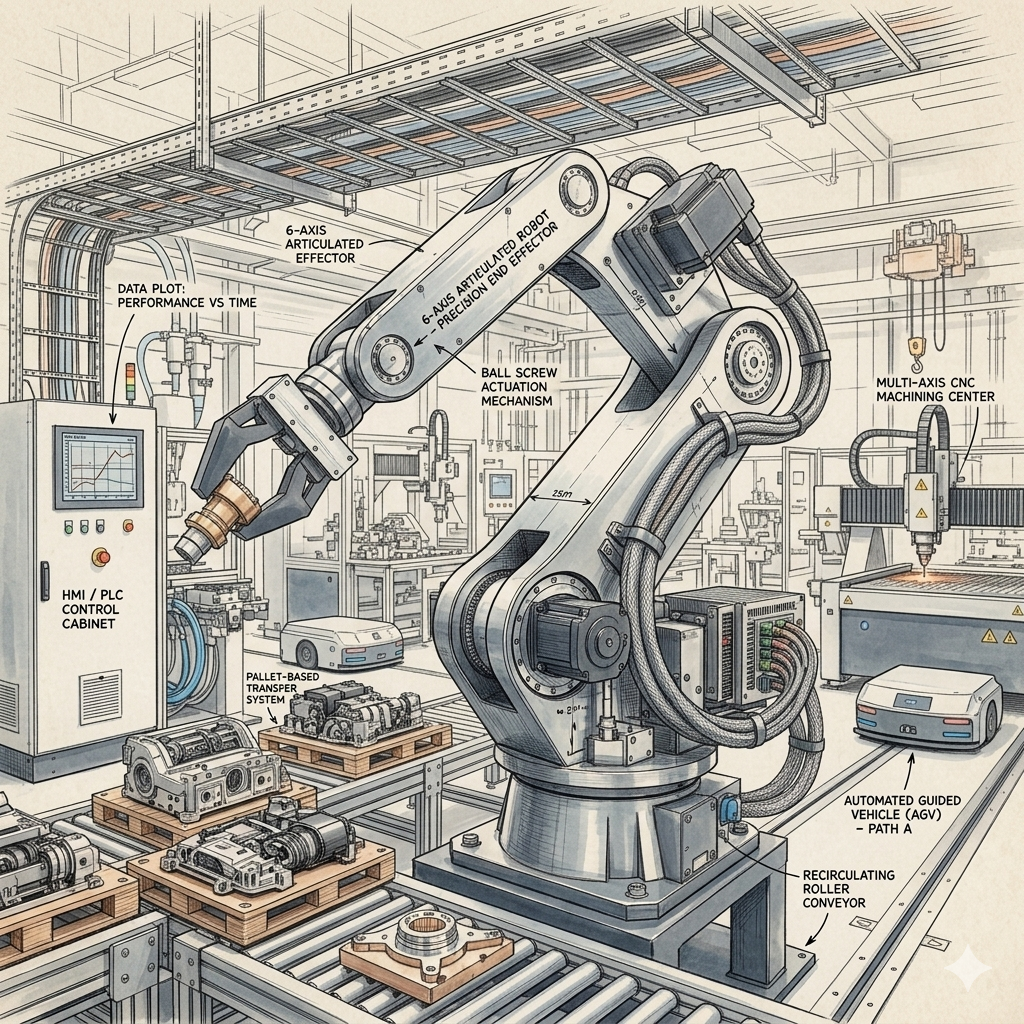
April 2012 – October 2014At Siemens, I was part of an application development team that worked towards prototyping cyber-physical systems or mechatronics-based solutions for high dynamic motion control within the production and material handling industry with micrometer precision.
- Key Responsibility: Conceptualized, programmed, and standardized multi-axis speed and position synchronization software libraries using Structured Control Language (SCL/embedded C) for highly dynamic industrial robotics applications.
- System Architecture: Studied system kinematics to perform research, select appropriate servo-drive systems (comprising electrical drives, servo motors, and embedded/motion controllers), and programmed motion controllers to execute complex motion profiles.
- Industrial Highlights & Deployment: Handled the full engineering lifecycle across diverse high-impact pilot systems:
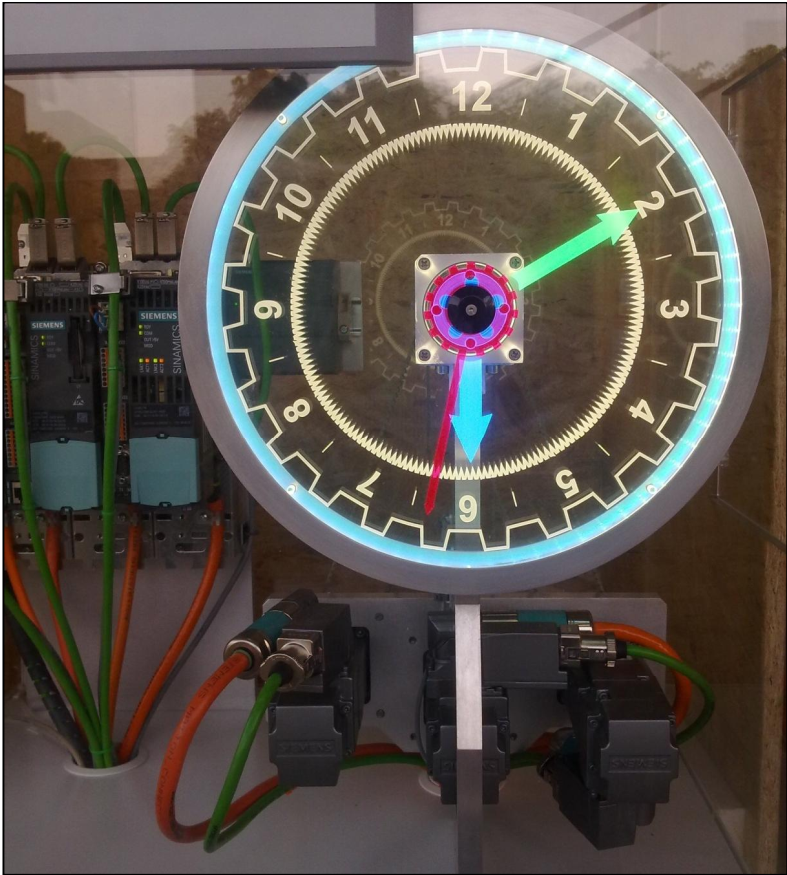
- Engineered independent but coordinated position-synchronized motion control for 3 servo axes (demonstrated via a 3-handed clock model).
- Developed Electric Monorail Systems (EMS) for automotive car handling, customized for Mercedes-Benz.
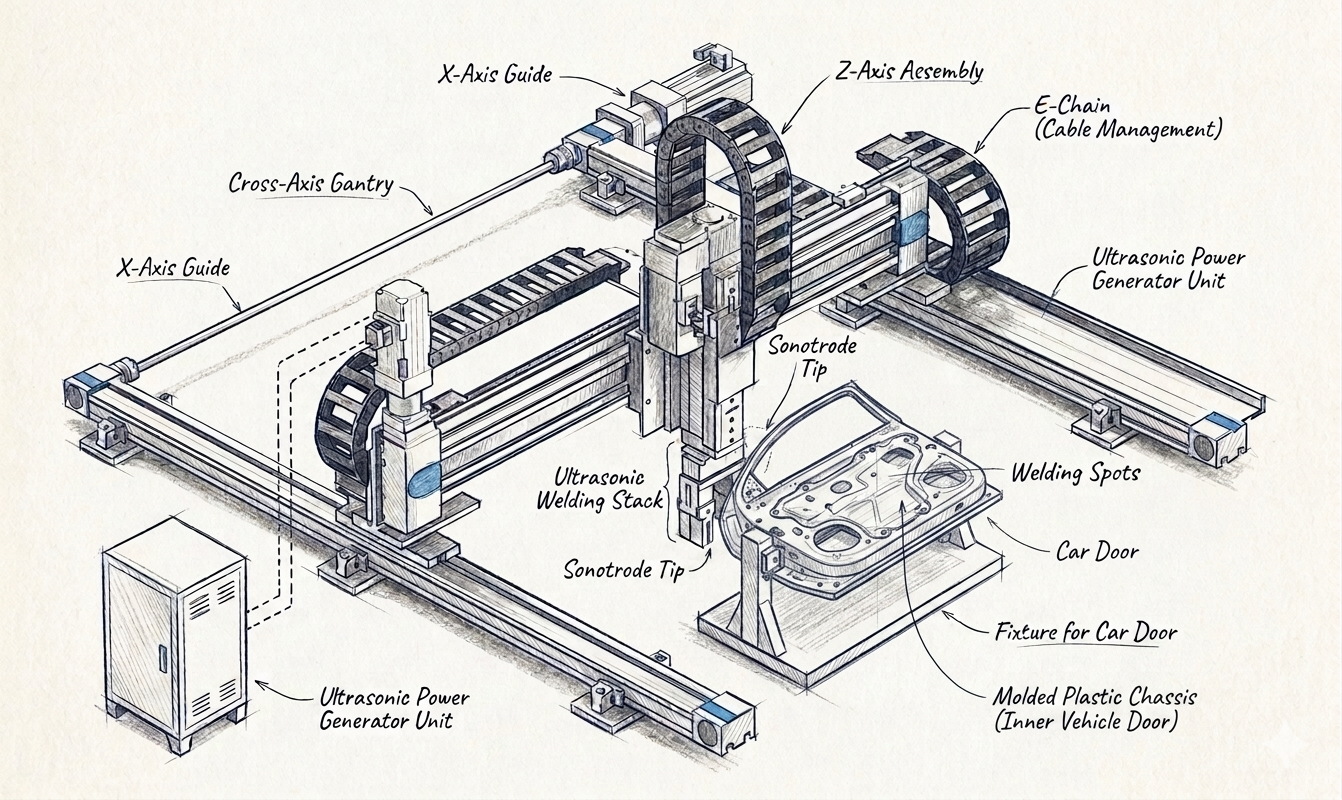
- Designed a Cartesian kinematic robotic arm system for automotive car-chassis welding deployed at Tier-1 OEM manufacturing plants.
- Programmed a high-dynamic intermittent motion control system for heavy industrial milling applications.
Industrial R&D Projects
Spearheaded the technical perception roadmap through full-lifecycle product validation, scaling advanced computer vision pipelines from initial research to EVT (Engineering Verification Testing) prototypes to pre-production-hardened DVT (Design Verification Testing) deployments on constrained edge-drone hardware.
Application: Autonomous Indoor Drone - RGB-D SLAM
Researched and integrated deep matchers (ViTs) and deep feature extractors (CNNs) into a conventional RGB-D SLAM pipeline to significantly improve lighting invariance and BoW RAM constraint mitigation. Compressed, quantized, and benchmarked these neural models to optimize inference speeds for resource-constrained edge-drone deployment.
Open-Source Codebase & Engineering Tutorial
To demonstrate the underlying engineering mechanics of embedded computer vision models, I created a comprehensive Edge AI Optimization & Deployment Guide. This repository hub showcases my custom pipelines for graph modification, asymmetric INT8 Post-Training Quantization (PTQ), and strict single-thread ARM profiling suites for Deep Features (CNN) and Matcher (ViT) using open source XFeat and LighterGlue models.
Deployment TutorialApplication: Autonomous Indoor Drone - RGB-D SLAM
Researched and integrated deep matchers (ViTs) and deep feature extractors (CNNs) into a conventional RGB-D SLAM pipeline to significantly improve lighting invariance and BoW RAM constraint mitigation. Compressed, quantized, and benchmarked these neural models to optimize inference speeds for resource-constrained edge-drone deployment.
Applications: Ultrasonic Welding of Car-door Chasis using 3DOF Gantry Robot
Researched and engineered a 3-DOF coordinated motion control system for an ultrasonic welding robot using SIEMENS controllers. Programmed multi-axis path interpolation algorithms featuring Kinematic Profile generation and Dynamic Load compensation based on the assembly's moment of inertia. Implemented high-precision trajectory tracking to achieve micrometer-level positioning accuracy for welding sequential nodes taught via a custom-built HMI. Deployed and pilot-tested the system at a automotive OEM, driving a 1.5x optimization in production cycle efficiency
Applications: Converting applications, Winders
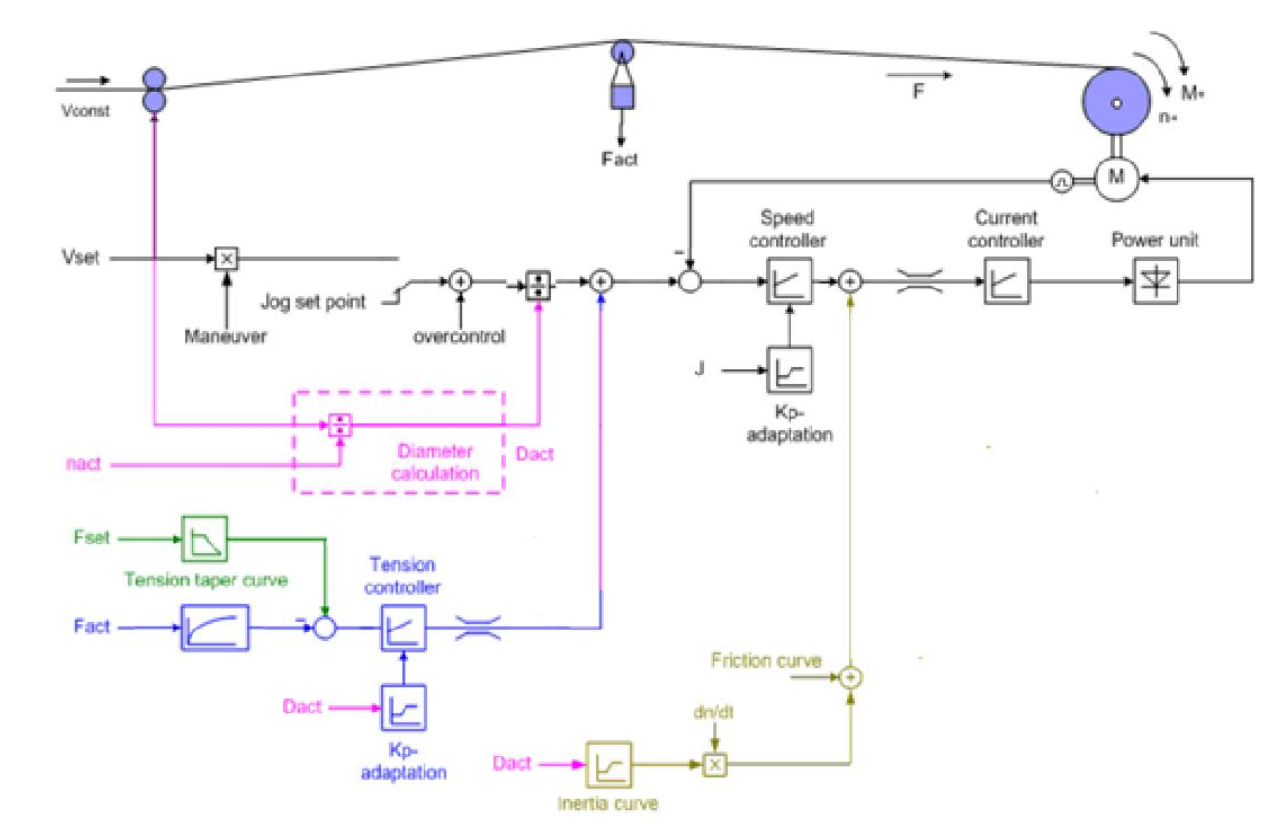
The Software library was developed using structure control language (embedded C) in SIEMENS Controllers. The development aimed towards easy use of the basic functions that allows the end user to implement the core functionality as demanded by the application with less possible overhead time. The functional blocks within the library are generalized to include most of the functionality but its an open-source library that allows the end user to modify the functionality as per the specifics of certain application. The library contains around 30 functional blocks that renders various mathematical as well as technological functionality for the motion control of converting applications. The function blocks can be combined to implement a control mechanism for motion control. Few example to list are the tension control using speed or torque control.
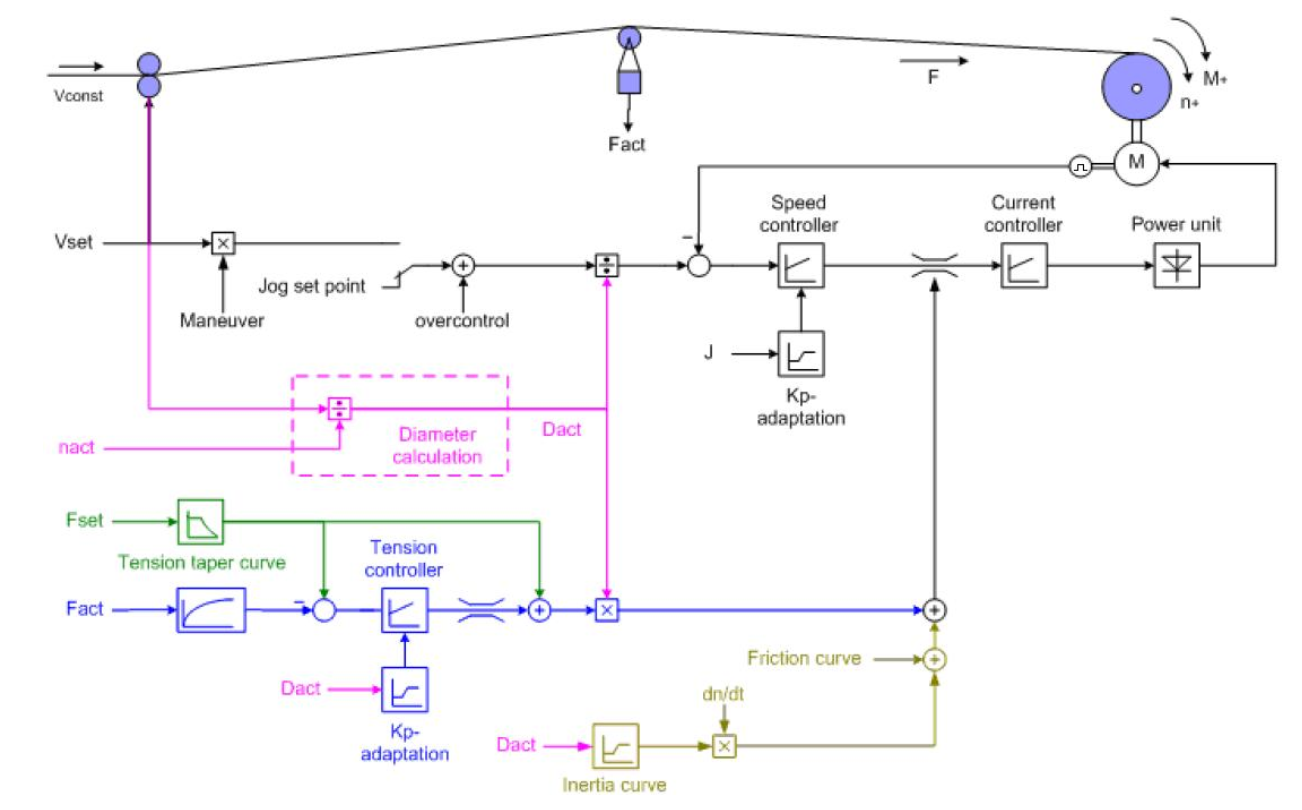
Applications: Material handling, Packaging applications
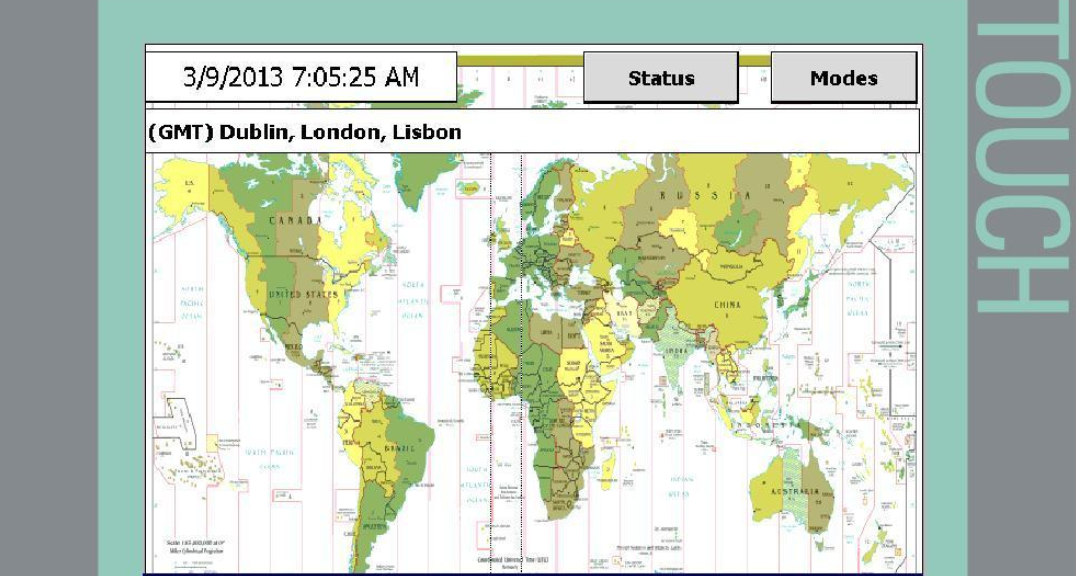
The software development in SIEMENS controller aimed towards controlling three servo axis in a Position synchronized manner. The developed library was implemented and successfully demonstrated on clock kit where the three hands of the clock formed the three axis of motion that were Position synchronized.
Applications: Packaging applications
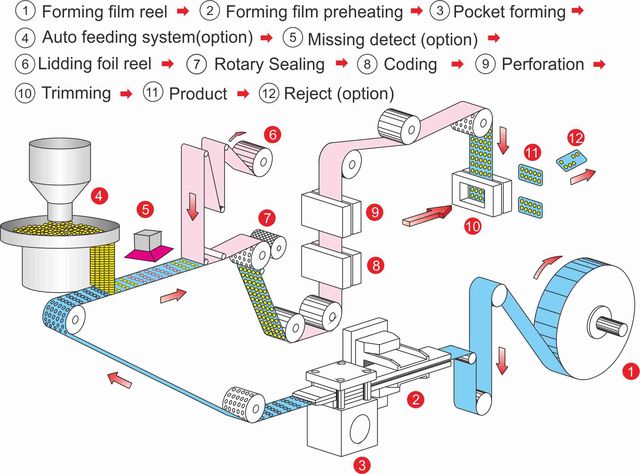
The software development in SIEMENS controller aimed towards non-linear position synchronization between the film feeder and conveyor to get a pulling effect on the film for packaging. The goal was achieved using electronic-CAM technology which generates the same motion as with a mechanical cam-shaft. The development was pilot tested at an OEM that develops Blister packaging machines.
Academic Projects
Design of a Robotic Computer Vision System for Autonomous Navigation
At North Carolina State University (NCSU), this multi-semester Robotics Computer Vision project focuses on developing a collaborative multi-agent autonomous system designed to map and navigate challenging environments like construction sites. While previous cohorts established a ground-based Autonomous Mobile Robot (AMR)—the Clearpath Husky—the objective for this batch was to prototype and develop a complementary Aerial Robot.
Rather than deploying a conventional quadcopter, the team engineered an RC blimp to explore long-endurance aerial surveillance capabilities. This aerial agent enhances the system's overall navigation task by providing an aerial bird's-eye view to the Husky, which previously relied solely on its onboard stereo vision. This collaborative setup allows the ground vehicle to navigate complex zones and survey areas otherwise inaccessible from the ground.
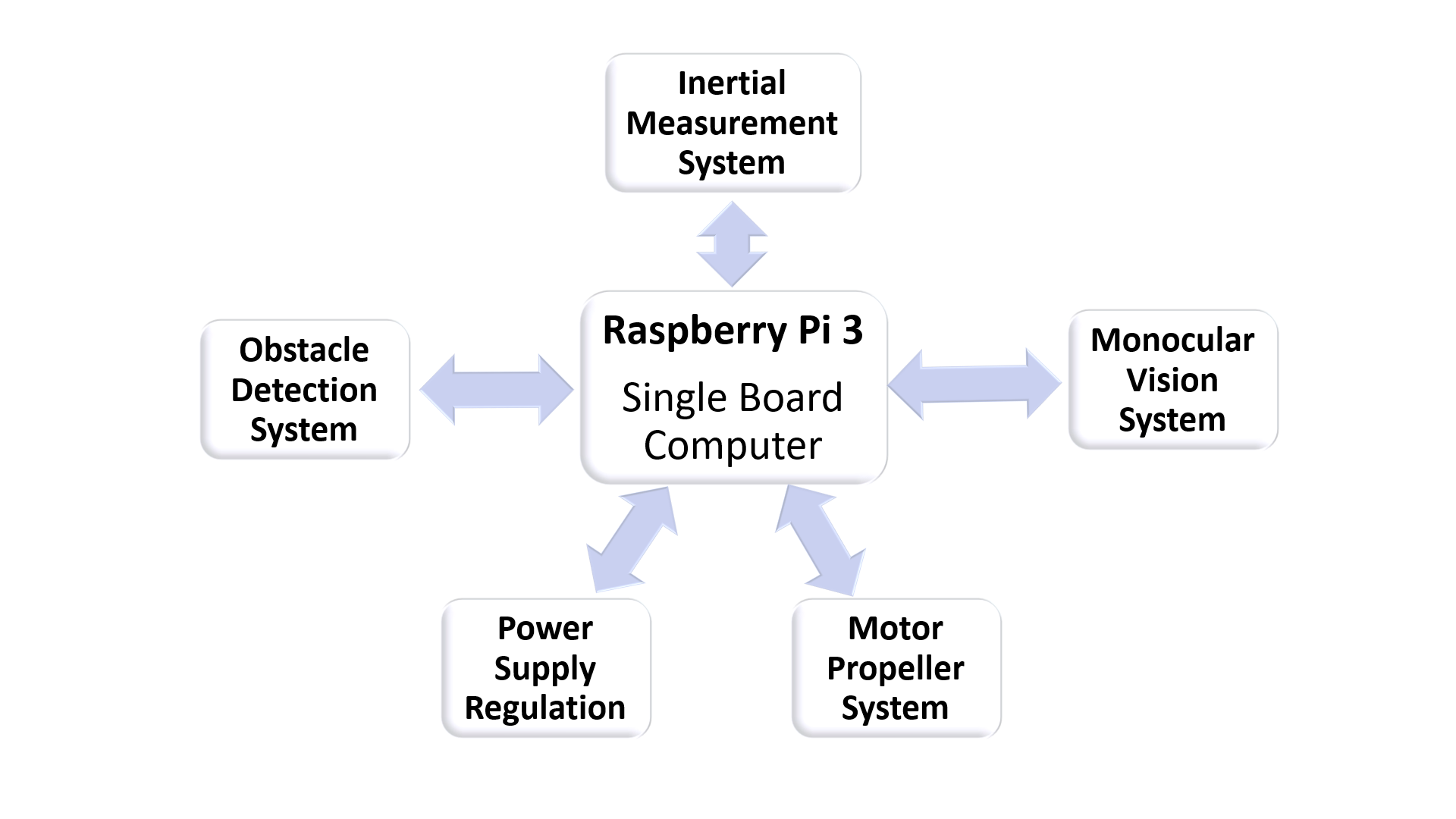
The autonomous system utilized a distributed, heterogeneous hardware architecture orchestrated via a ROS (Robot Operating System) package framework, allowing separate computing boards to seamlessly share data over active ROS topics:
- Low-Level module: Raspberry Pi 3 on the RC blimp to manage sensor nodes interfacing, peripheral hardware drivers, and the control algorithms.
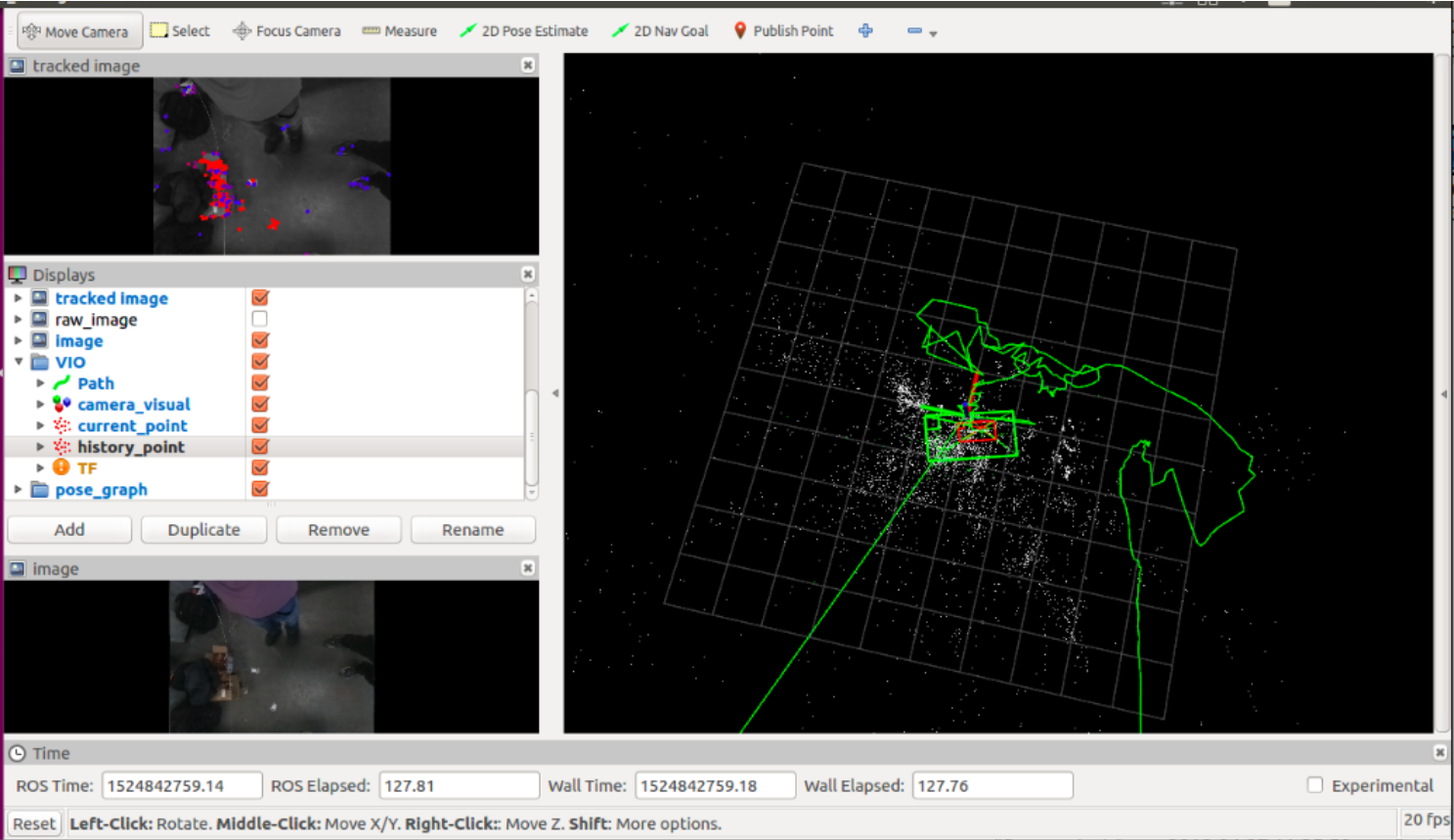
- High-Level Perception: NVIDIA Jetson TX1 to process heavy vision pipelines and visual-inertial odometry via VINS-Mono.
- Core Contributions: Co-developed the multi-modal sensor interfacing nodes, tuned the blimp's motor control loops, and successfully implemented and tuned the VINS-Mono package for tracking.
Respiratory Rate Estimation
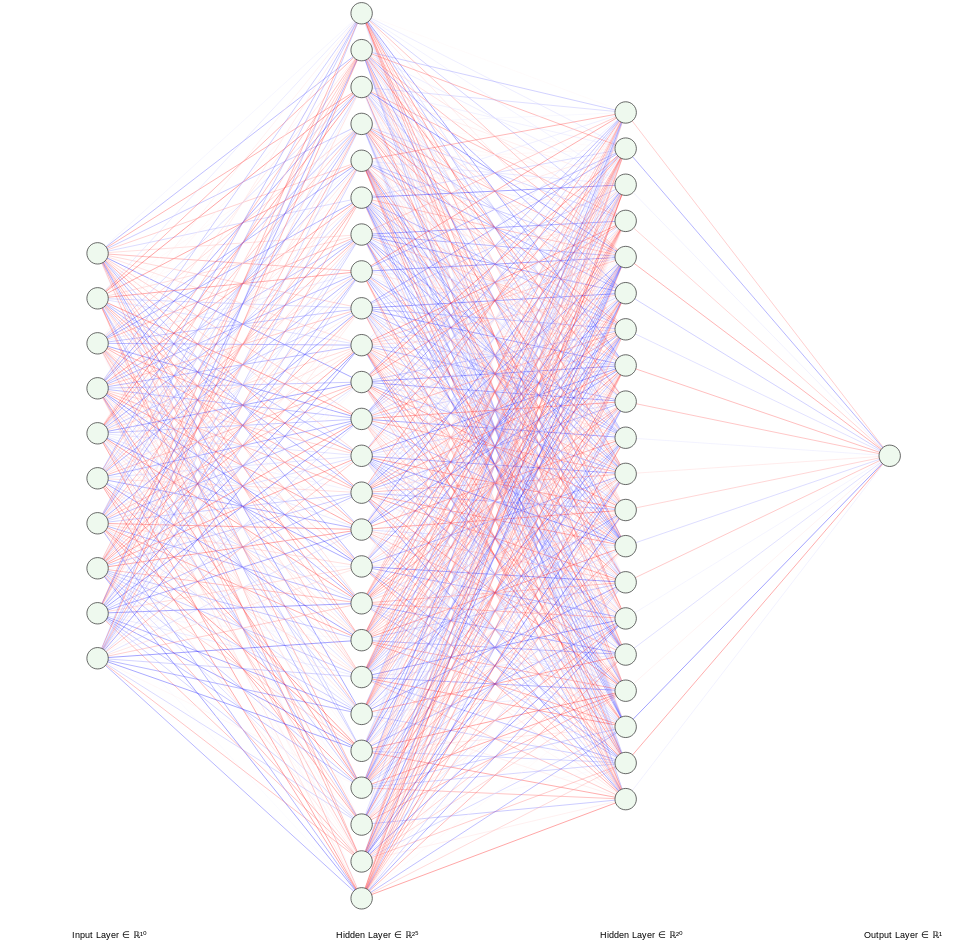
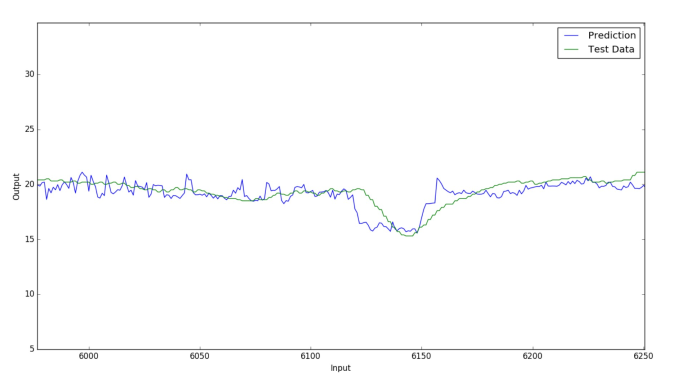
This project aimed towards estimation of the respiratory rate of an individual using accelerometer data, heart rate and body temperature. For this project we implemented two model: First, using an Artificial Neural Network that does not take into account the temporal dynamic; Second, I used a KALMAN filter on top of ANN that basically acts as a filter to further improve the output. With this project I was succesfully able to estimate the respiratory rate with an RMSE of 2.98 in first case which improved to 2.12 in second case.
Semantic Segmentation with SegNet
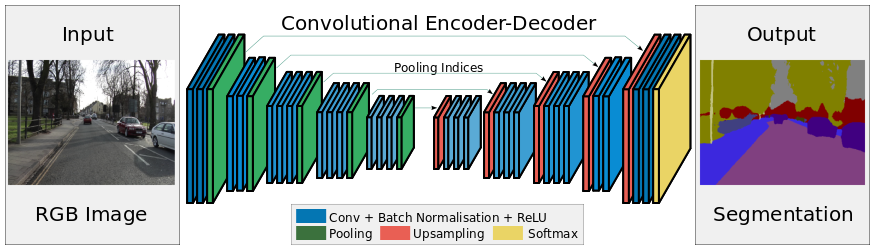
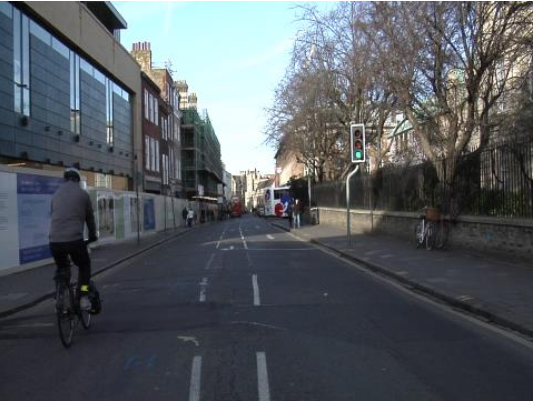
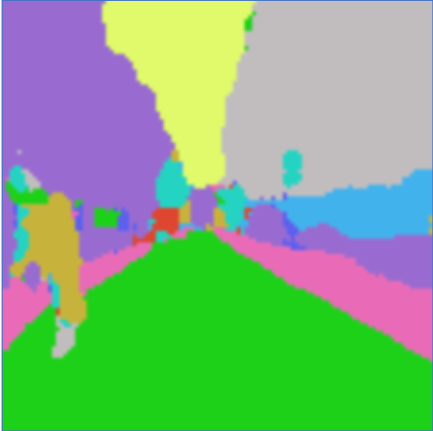
In this project, I implemented a paper titled 'Sematic Segmentation with SegNet model' which focuses on a novel encoder decoder technique based on VGG-13 fully convolutional architecture. The task was to port the original code in CAFFE to Keras and test it with CamVid dataset. We succesfully implemented it with 91% accuracy.
Face/Non Face Image classification with Posterion probability estimation using Bayes rule.
The goal of this project was to perform classification given an image. The data was modelled into a likelihood function using models like Gaussian, Mixture Of Gaussian etc and then using Bayes rule I found out the Posterior probability that quatizes whether a given image is a face or non-face. The first image gives mean of the face dataset for modelling likelihood function using Gaussian Distribution while the second image represents the covariance of the face dataset. We used the AFLW (Annotated Facial Landmark in Wild) dataset.


Face/Non Face Image classification using Deep learning architectures like CNN
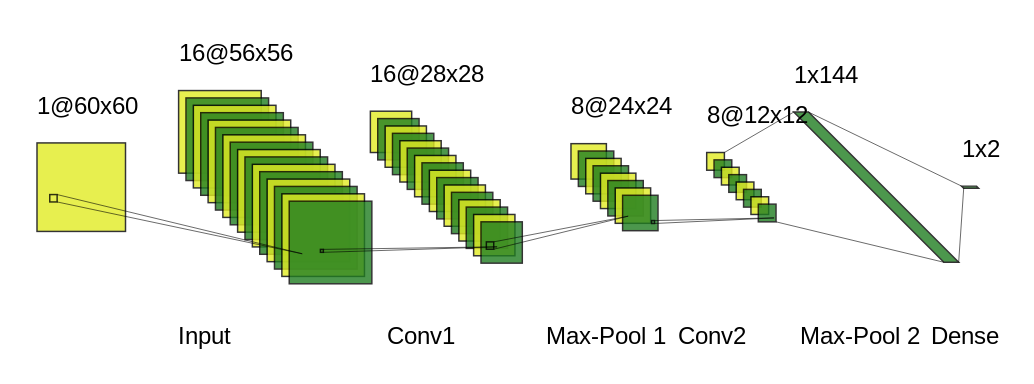
The goal of this project was to perform classification given an image. We selected the AFLW dataset and implemented two architectures one using PyTorch and second using Tensorflow. The code was executed both on CPU as well as GPU for learning purpose and we were succesfully able to perform the classification with 92% accuracy.
3D re-construction of an object given a 2D image using Homographic transformation
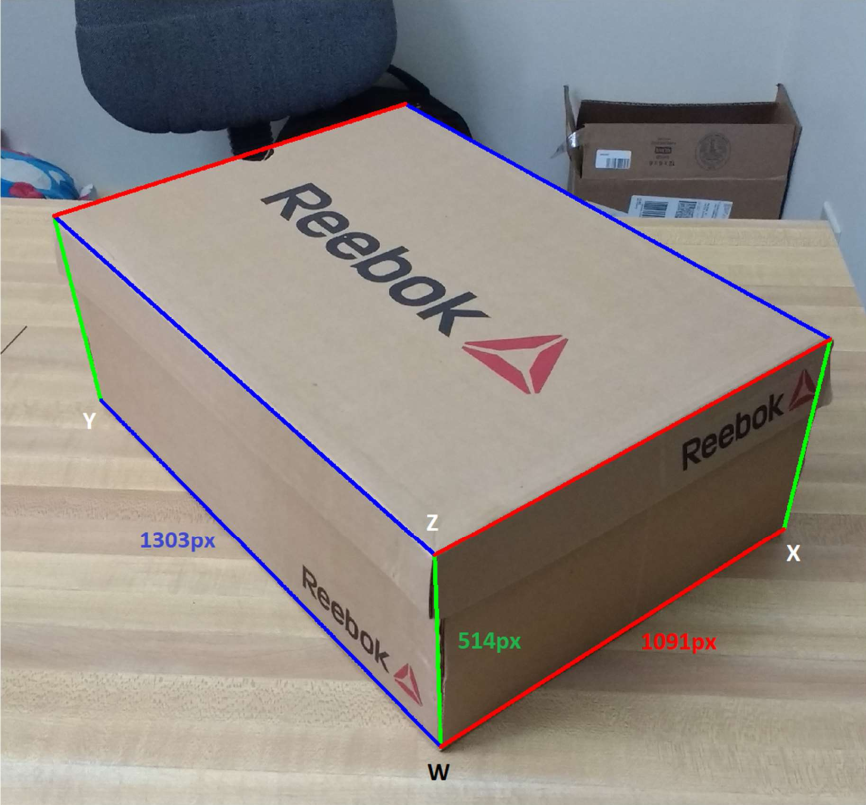
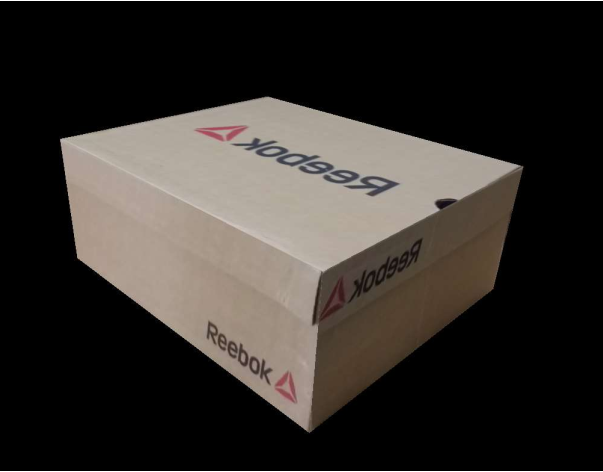
In this project, I implemented a script that given an image of a any box with 3 point perspective was able to construct a 3D model using the texture maps obtained from the homography matrices. The key concepts that were implemented within the scripts were Line Segment Detector, RANSAC algorithm Vanishing point estimation, Estimation of the Projection matrices, Estimation of Homography matrices, Calculating the texture maps and 3D stiching using a VRML file.
Foraminifera Image Segmentation
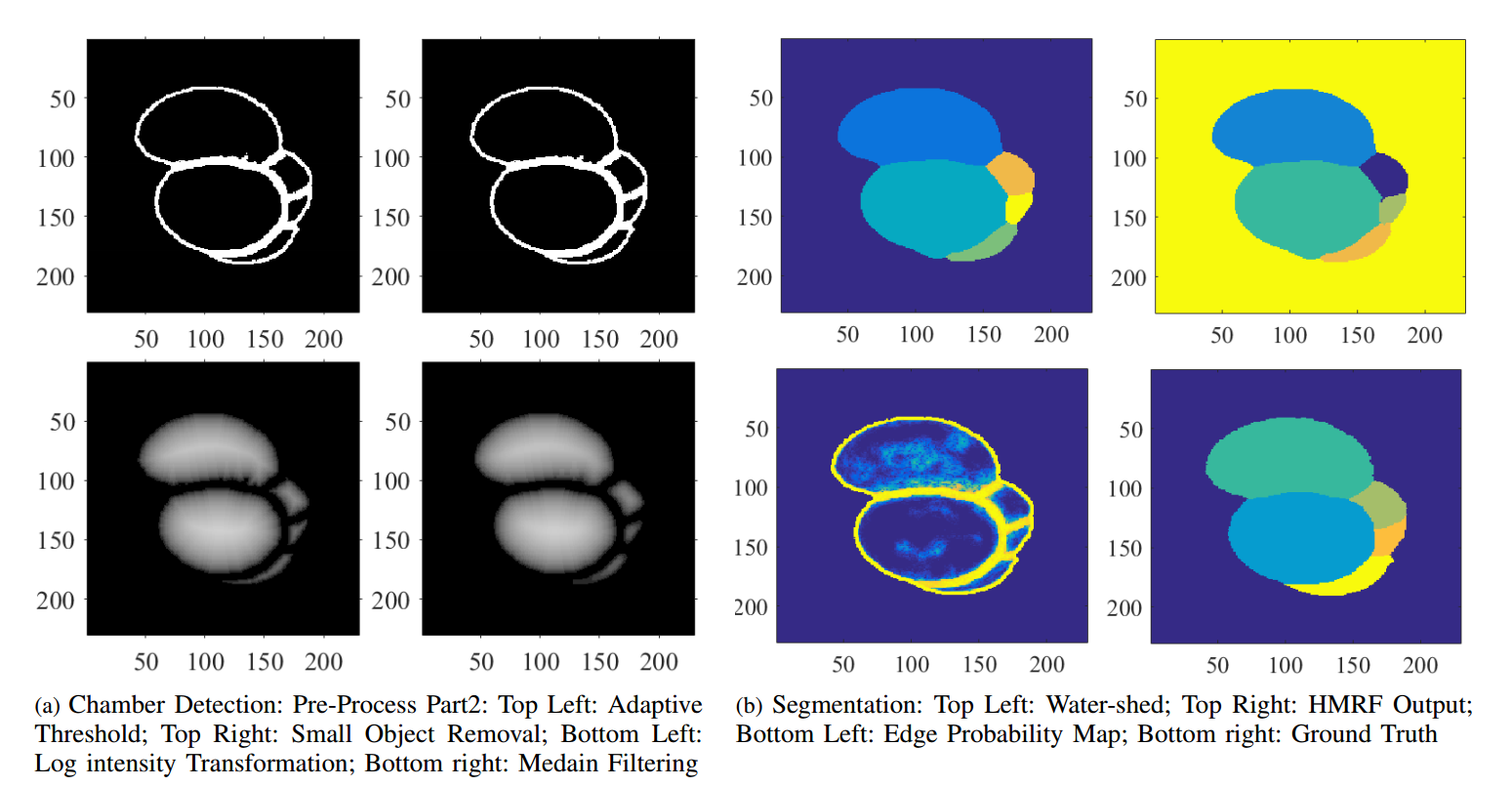
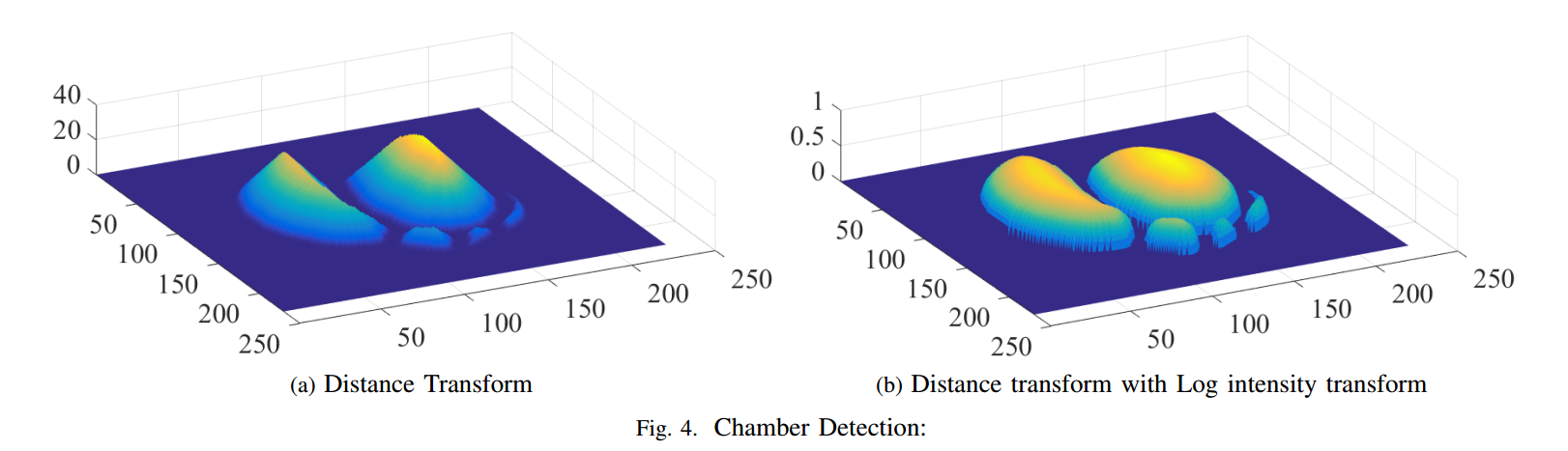
The goal was to classify marine biological species like Foraminifera using image processing and computer vision techniques given their edge probability maps. Foraminifera species is identified from its structure, specifically, from the number of chambers it possesses and its aperture. We used water-shed algorithm techniques to segment the chambers and aperture and succesfully segmented them to 81% of the test data.
Publication
Temporal Logic (TL) Based Autonomy for Smart Manufacturing Systems
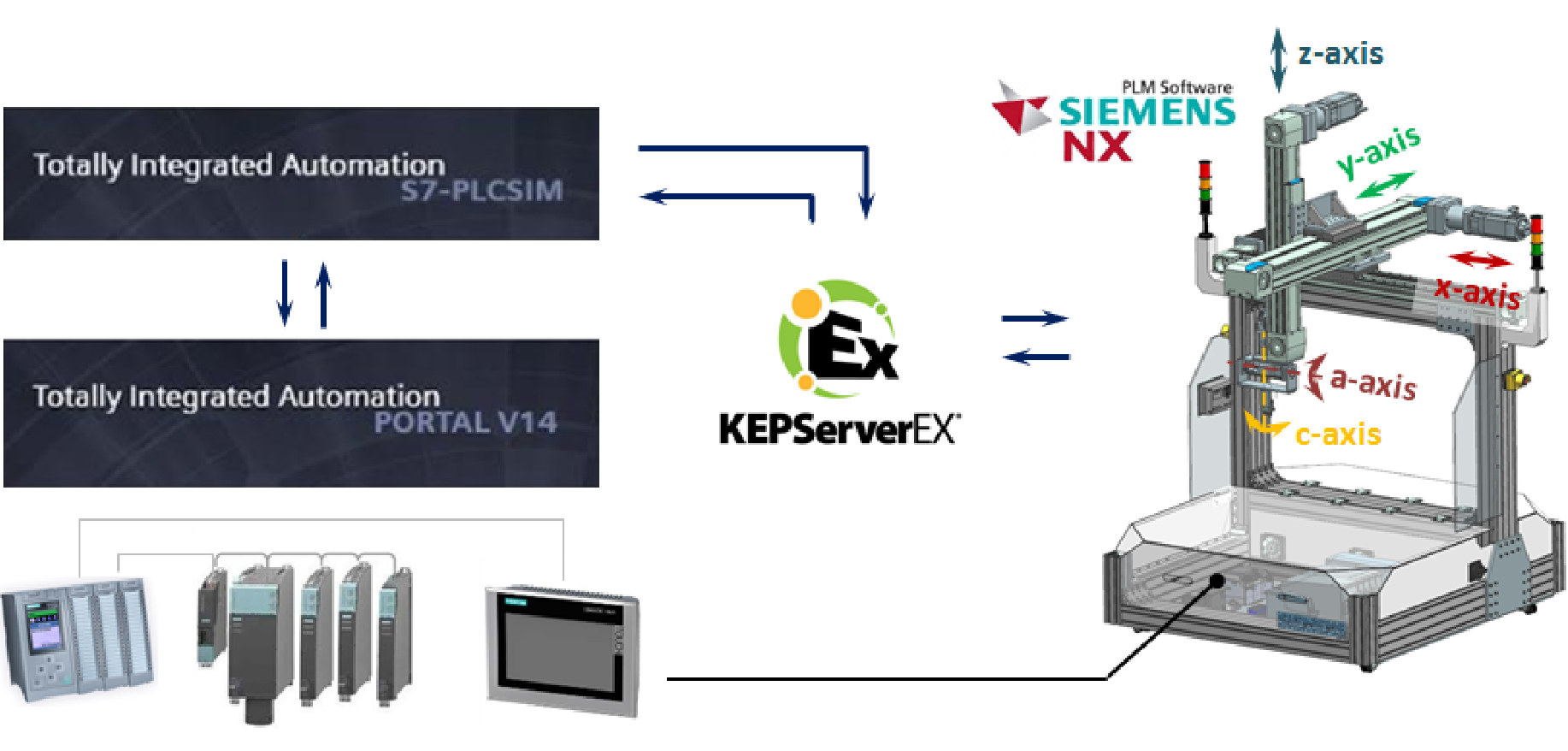
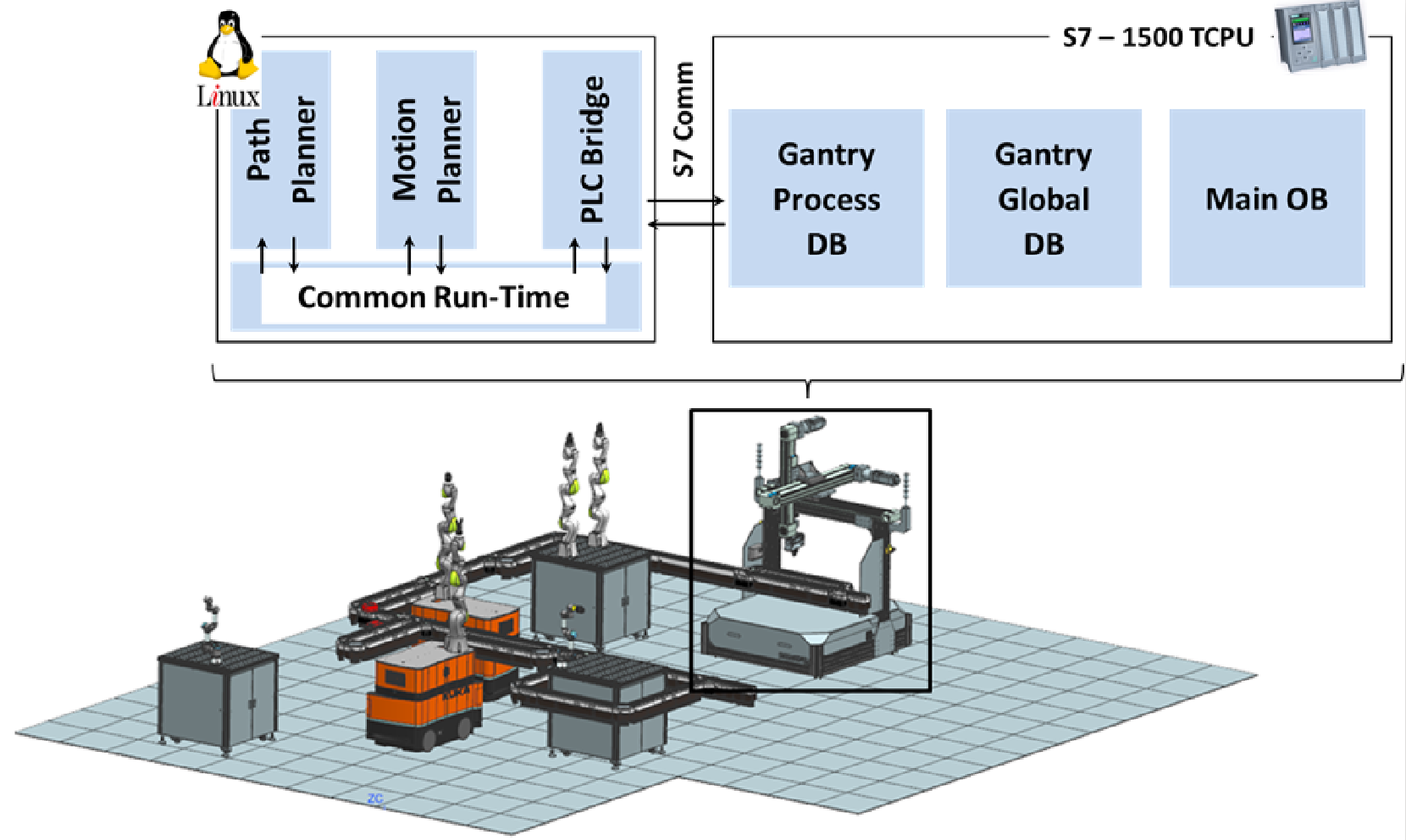
Smart-Manufacturing systems are increasingly being used to perform complex tasks on the factory floor. Most often, these systems have hard-coded cases to achieve a specific set of actions -or to assure the safety of the operations. The hard-coding makes the use complicated to re-deploy a system for different tasks. Therefore, it is necessary to have a flexible framework, which can generate a plan based on an intuitive description with system constraints, while satisfying all safety conditions. In this work, we propose Linear Temporal Logic (LTL)-based autonomy framework for smart-manufacturing systems. Specifically, we describe a general technique for formulating problems using LTL specifications. The use of LTL enables us to specify a manufacturing scenario (e.g. assembly), along with system constraints, as well as assured autonomy. Based on the given LTL formulation, a safe solution satisfying all constraints can be generated using a satisfiability solver. To eliminate the exhaustive and exponential nature of the solver, we reduced the exploration space with a divide and conquer approach in a receding horizon, which brings dramatic improvements in time and enables our solution for real-world applications. Our experimental evaluations indicated that our solution scales linearly as the problem complexity increases. We showcased the feasibility of our approach by integrating TLbased autonomy with the simulations of Gantry robot in Siemens NX Mechatronics Concept Designer and TIA Portal (PLCSIM Advanced) for Siemens S7-1500 TCPU connected to Sinamics drives
Published in North American Manufacturing Research Conference
June 2018
Published in Procedia Manufacturing Journal
July 2018
Patents
A portfolio of my authored and co-authored issued and pending patents focused on advancing SLAM and autonomous drone navigation at Alarm.com